Giving Yourself What You Were Once Denied: Part 2

The Pillars of Emotional Nourishment
In Part 1, we talked about building the floor—the safety, consistency, and protection that allow our nervous systems to finally stop scanning for danger. But once the house is secure, we have to make it feel like a home.
Many of us grew up in "functional" environments where we were kept safe, but we weren't necessarily nourished. We were fed and clothed, but perhaps our emotional hunger for love, our need for affection, or our right to be heard went unnoticed. This second half of our journey moves from the "External Foundation" to the "Internal Core." It is about moving beyond surviving and into the radical act of belonging to yourself.
Here are the final six pillars of reparenting—the emotional nutrients your soul has been waiting for.
1. Love: From Emotional Hunger to Self-Nurturing
If you were denied consistent, unconditional love, you likely developed a "radar" for the needs of others while ignoring your own. This often manifests as People-Pleasing—a survival strategy where you trade your authenticity for the "safety" of being liked. You might feel a constant, hollow hunger in your chest, convinced that if you just do enough for someone else, they will finally provide the love you’re missing.
The Turning Point
Healing this doesn’t mean you stop loving others; it means you stop auditioning for their love. You provide the foundation through self-compassion and a nurturing inner dialogue. In simple terms, this is about shifting from chasing love outside yourself to learning how to give it inwardly.
The Practice
• Catch your “inner critic” in the act and replace harsh tones with a Nurturing Narrative.
• Create a daily ritual: write one compassionate sentence to yourself each morning.
• Keep a “love jar”: each time you notice self-kindness, jot it down and place it inside. Over time, the jar becomes a visible record of your self-nurturing moments, reminding you that you are consistently showing up for yourself.
2. Affection: From Emotional Coldness to Gentle Self-Warmth
When affection—hugs, kind words, or simple physical proximity—was missing, you might have grown up feeling "brittle" or emotionally "stiff." This often results in Touch Deprivation (skin hunger) or a subconscious fear of intimacy. You might find it hard to receive a hug or feel like there is an invisible wall between you and the people you care about, as if warmth is a language you never learned to speak.
The Turning Point
You can begin to melt that coldness through Somatic (Body-based) Reconnection. This is about teaching your nervous system that touch is safe and that you are a source of comfort. Somatic Reconnection simply means using gentle self-touch—like placing a hand on your chest, hugging yourself, or patting your shoulder—to give yourself the affection you may have once been denied.
The Practice
• Incorporate gentle self-touch: hand over heart, shoulders squeezed firmly, or a grounding hug.
• Use “micro-moments of warmth”: smile at yourself in the mirror, place a hand on your cheek, or breathe slowly while imagining warmth spreading through your chest.
• Comfort rituals: weighted blanket, warm bath, or wrapping yourself in a scarf with the intention of self-soothing. These small gestures retrain your body to associate your own presence with warmth and safety.
3. Understanding: From Shame to Emotional Fluency
If you grew up in a home where your feelings were treated as "too much," "wrong," or "dramatic," you likely learned to suppress them. This creates a deep-seated sense of Shame. As an adult, you might struggle to even identify what you’re feeling—you just know you feel "bad" or "tight." When you don't understand your own internal world, you feel like a stranger to yourself.
The Turning Point
You give yourself the gift of Self-Reflection and “Naming.” This builds emotional fluency—the process of becoming a non-judgemental witness to your own experience. In other words, it’s about learning to recognise and name your feelings instead of pushing them away.
The Practice
• Use the “Name it to Tame it” technique: “I feel tightness in my chest. This is anxiety about the future.”
• Keep a “feelings log” for a week: note the physical sensation, the label, and one compassionate response.
• Practice emotional vocabulary expansion: each day, choose one new feeling word and reflect on when you’ve experienced it. This helps you become fluent in your own emotional language.
4. Forgiveness: From a Harsh Inner Critic to Radical Grace
When you were raised in an environment where mistakes were met with punishment, you developed a Perfectionist Shield. Your inner critic became a drill sergeant, convinced that if it just yells loud enough, you’ll never fail again. This creates a life of heavy guilt and a "shame spiral" whenever you aren’t functioning at 100%.
The Turning Point
You replace judgement with Grace. Self-forgiveness isn’t about letting yourself off the hook; it’s about acknowledging that you are an evolving human, not a finished product. Put simply, forgiveness means treating yourself with the same kindness you’d offer a loved one who made a mistake.
The Practice
• Try the “Third-Person Reframe”: “Would I say this to a friend I love?”
• Create a forgiveness mantra: “I am learning, I am growing, I am allowed to begin again.”
• Write a “letter of grace” to yourself after mistakes. This practice helps soften the inner critic and reminds you that mistakes are part of growth.
5. Freedom to Express: From Repression to Creative Release
When your voice was silenced or judged, you learned that Honest Self-Expression was dangerous. You might find yourself "filtering" your thoughts in conversations, fearing that if people knew the real you, they would leave. This creates Emotional Repression, where unsaid words turn into physical tension, burnout, or a sense of being "frozen."
The Turning Point
You reclaim your voice through low-stakes creative outlets. This is about giving your internal world a way to exit your body without fear of judgment. It means finding safe, playful ways to express yourself without worrying about being “right” or “perfect.”
The Practice
• Practice “Unfiltered Venting”: journal freely, no edits, no censoring.
• Try playful release: set a timer for 5 minutes and write, doodle, or sing nonsense.
• Use movement: shake your body, dance, hum, or stretch. These outlets prove to your nervous system that it is safe to let emotions out.
6. Presence: From Emotional Abandonment to Being "Home"
If you were emotionally abandoned as a child—meaning your physical needs were met but your soul was left alone—you likely grew up feeling a profound sense of Loneliness. You might be a "runner," constantly distracting yourself with work or scrolling because being alone with your own thoughts feels like being left in the dark.
The Turning Point
You give yourself the gift of Unconditional Presence—the ability to sit with yourself without needing to fix, change, or distract. Presence simply means staying with yourself, even when it feels uncomfortable, so you learn you won’t abandon yourself again.
The Practice
• Begin with “The 2-Minute Sit”: once a day, sit in silence without your phone.
• Gradually extend by one minute each week.
• Pair presence with grounding gestures: touch the floor, hold a stone, or place a hand on your chest. This reassures your body that you are safe and supported in your own company.
Bringing It All Home
If Part 1 was about building the garden’s fence, Part 2 was about the rain and the sun. You have explored how to feed your own heart, forgive your own humanity, and finally—perhaps for the first time—simply be present in your own skin.
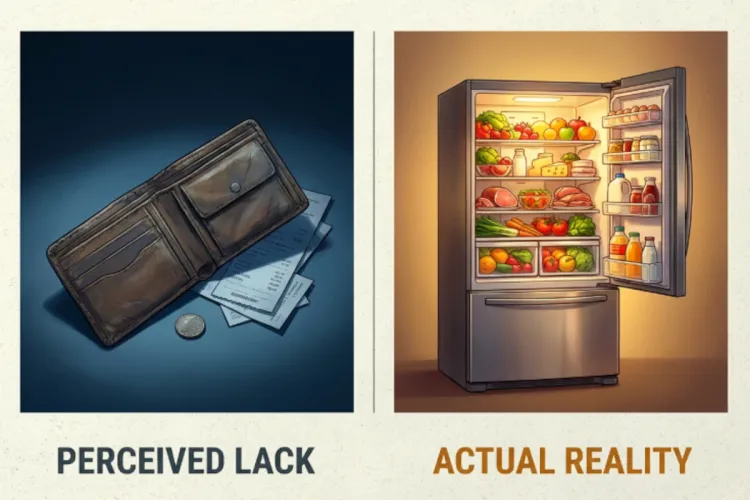
Reparenting isn't a destination you reach; it’s a relationship you maintain. There will be days when the "financial stress" of life or the echoes of the past feel loud. On those days, you don’t need to be perfect. You just need to be the adult you once needed: the one who offers a hand to hold, a boundary to keep you safe, and the grace to try again tomorrow.
Your Final Integration Challenge:
Look back at all 12 pillars from Part 1 and Part 2. Which one feels like the "missing piece" today? Don't overthink it. Simply offer yourself one small act of that missing piece tonight.
You are no longer waiting for permission to be happy, safe, or loved. You are the one providing it. Welcome home.




Member discussion