What Is Survival Mode? Signs, Causes, and How to Escape It.
Let's start with an important distinction: Survival mode and scarcity mindset are often confused, but they are not the same.
Survival mode is when your body and mind act as if your existence is under threat. Every decision focuses on conserving energy and protecting resources.
Scarcity mindset, on the other hand, is the belief that there is “never enough,” even when basic needs are met.
The key difference is that survival mode always includes scarcity thinking, while scarcity mindset does not always feel life‑threatening.
What Is Survival Mode?
So, what is survival mode actually?
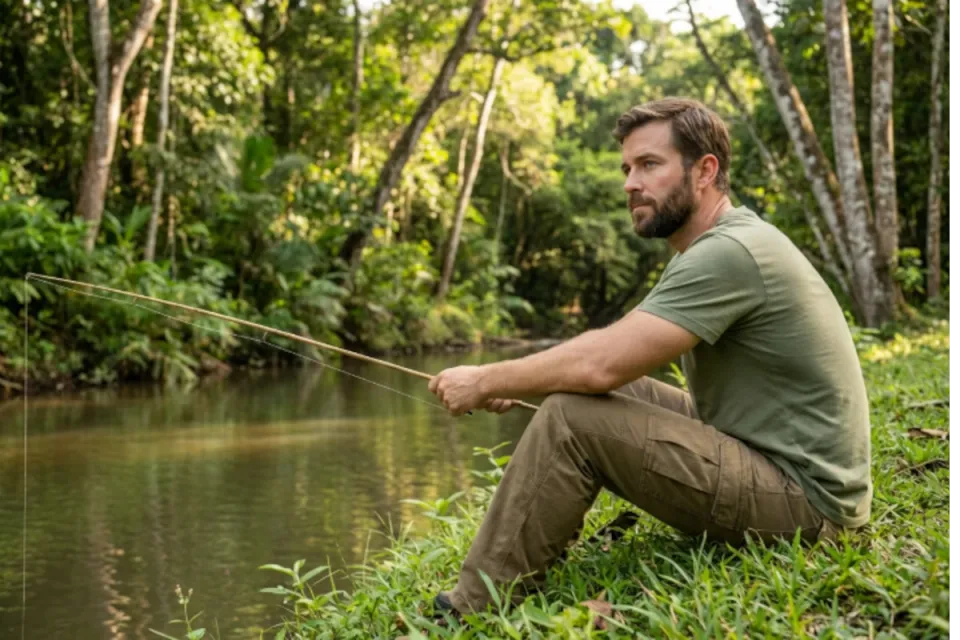
Imagine being dropped into a jungle.
No map. No tools. No guarantee of safety.
What do you do to survive?
You build a shelter. You hunt for food.
Once you gather enough for the day, a new worry appears.
You must protect it from nature’s elements and predators.
You eat less, fearing tomorrow’s lake may hold fewer fish.
Even if the lake has enough, you must hunt again.
There is no fridge to store what you catch.
And although this is an extreme example, many people experience the same feeling in daily life.
They may not be in a jungle, but the pressure is just as real.
Bills, deadlines, and responsibilities replace predators and storms.
The fridge may be full, yet the mind still fears tomorrow.
Survival mode is not about wild animals. It is about stress, scarcity, and the struggle to feel safe.
What makes it even worse is that many of us never realise we are living this way.
Signs You’re Living in Survival Mode
Survival mode often hides in plain sight.
You may not notice it, but the signs are there.
• You feel tired even after rest.
• You struggle to focus or make decisions.
• You live day-to-day without planning ahead.
• You withdraw from relationships or passions.
• You feel a constant need to work,
as if survival depends on never stopping —
like always having to hunt in the jungle.
• You lose your temper easily.
• You suffer frequent headaches.
• You feel permanent stress and sigh often.
• You scroll social media to escape negative thoughts.
• You move through the day without mindfulness.
• You act on autopilot and miss the present moment.
• You have difficulty sleeping at night.
• You struggle to wake up early with energy.
These signs show your body and mind are locked in short-term survival.
They are signals that you are conserving energy, not creating growth.
The Scarcity Mindset
At the heart of survival mode is a powerful belief: “There’s not enough.”
• Not enough money.
• Not enough time.
• Not enough energy.
• Not enough love or support.
This belief shapes how we see the world.
It makes us focus on what is missing, not what is present.
We worry about tomorrow instead of living today.
We compare ourselves to others and feel we fall short.
We hold back from opportunities because we fear loss.
Scarcity mindset does not always mean life feels endangered.
But it keeps us trapped in fear, even when our basic needs are met.
When someone is stuck in survival mode, their brain is dominated by scarcity thinking. That can lead to two opposite behaviours:
The “Spend Now” Mentality
• Fear of loss tomorrow: “If I don’t use this money today, I might lose it or not have it tomorrow.”
• Short-term reward: Spending feels like a way to get immediate comfort or control in a world that feels uncertain.
• Avoidance of planning: Long-term saving or budgeting feels impossible when the mind is focused only on today’s survival.
The “Save Everything” Mentality
• Fear of running out: “I must protect what little I have, because tomorrow I might have nothing.”
• Extreme frugality: Holding tightly to money, possessions, or energy.
• Suspicion of sharing: Reluctance to give or invest because it feels unsafe.
How Survival Mode Shapes Behaviour
Real-life examples of how survival mode shows up differently depending on the context:
At Work
• Refusing to delegate: A colleague refuses to delegate or share tasks because they feel overwhelmed and fear losing control.
• Credit guarding: Someone insists on recognition for every small contribution, worried that others will “take” their achievements.
• Information withholding: Employees keep knowledge to themselves, believing sharing might reduce their own value or security.
In Families
• Money protection: A parent or partner tightly controls finances, reluctant to spend or share, even on reasonable needs.
• Emotional withdrawal: Someone avoids giving affection or support, believing other priorities matter more.
• Resource battles: Siblings fight over attention, space, or possessions because they feel there isn’t enough to go around.
With Money & Belongings
• Extreme frugality: Saving every penny, not out of strategy but fear — “If I spend, I’ll have nothing.”
• Possession guarding: Being overly protective of personal items, even inexpensive ones, because they symbolise security.
• Suspicion of others: Viewing requests for help or sharing as threats to survival, rather than opportunities for connection.
Just like in the jungle, survival mode is about protecting what you have.
At work, at home, or with money, the behaviours may look different.
But the root is the same: fear of scarcity.
We guard our time, our energy, and our possessions as if predators are waiting.
The jungle may be far away, yet the survival instinct still shapes how we live today.
Thriving Mode: The Opposite of Survival
Thriving mode happens when people feel secure, supported, and abundant.
Instead of guarding resources, they share them.
Instead of fearing tomorrow, they plan for it.
Thriving mode looks like:
• Collaboration and generosity at work.
• Emotional openness and communication in families.
• Balanced spending and confidence with money.
• A mindset of abundance: “There’s enough, and together we can create more.”
At Work
• Team collaboration: Colleagues delegate freely, trusting others to share responsibility.
• Recognition sharing: People celebrate group achievements, not just individual wins.
• Knowledge exchange: Employees share skills and insights, knowing it strengthens the whole team.
In Families
• Open communication: Parents and partners express affection and listen with patience.
• Emotional support: Family members encourage each other’s growth and celebrate milestones.
• Shared resources: Siblings cooperate, share space, and build stronger bonds instead of competing.
With Money & Belongings
• Confident spending: Money is used wisely, with trust that more can be earned.
• Generosity: People give freely to causes, friends, or family without fear of loss.
• Investment mindset: Resources are used to create opportunities, not just protected from risk.
Causes of Survival Mode
Survival mode does not appear without reason.
It is triggered by stress, fear, and constant pressure.
Common causes include:
• Financial insecurity: Worrying about bills, debt, or unstable income.
• Work overload: Too many tasks, deadlines, or responsibilities without relief.
• Relationship strain: Conflict, lack of support, or emotional neglect.
• Health challenges: Illness, fatigue, or poor lifestyle habits that drain energy.
• Uncertainty: Major life changes, instability, or fear of the future.
When these pressures pile up, the brain shifts into protection mode.
It focuses on short-term survival instead of long-term growth.
This is why people feel exhausted, reactive, and stuck.
How to Move from Survival to Thriving
Survival mode is not permanent.
You can shift into thriving with small, steady changes.
Step 1: Awareness
• Notice the signs of survival mode in your daily life.
• Acknowledge stress without judgement.
• Awareness is the first step toward change.
Step 2: Safety First
• Create routines that give stability.
• Prioritise sleep, healthy food, and movement.
• A safe body helps a safe mind.
Step 3: Mindset Shift
• Replace “There’s not enough” with “There is enough.”
• Practice gratitude for what you already have.
• Focus on growth, not just protection.
Step 4: Connection
• Share time, energy, and support with others.
• Build relationships that bring trust and joy.
• Connection reminds you that you are not alone.
Step 5: Looking Ahead
• Take time to think of solutions.
• Pay attention to opportunities you might have overlooked.
• Break big problems into small, manageable steps.
Step 6: Generosity
• Give when you can — time, kindness, or money.
• Generosity breaks the grip of scarcity.
• It proves abundance grows when shared.
Thriving mode is not about perfection.
It is about shifting from fear to trust, from scarcity to abundance.
Every small step builds a life where growth replaces survival.
Conclusion: From Survival to Thriving
Life in survival mode feels like living in the jungle.
Every day is about protecting what little you have.
You guard your energy, your time, and your resources as if predators are waiting.
But survival is not the end of the story.
Thriving mode begins when fear loosens its grip.
It is the shift from scarcity to abundance.
From guarding to sharing.
From reacting to planning.
From isolation to connection.
The signs of survival mode are warnings, not destiny.
They remind you that your body and mind are asking for change.
By noticing the signs, understanding the causes, and taking small steps forward, you can move from survival into thriving.
In the jungle, thriving means safety, food, and freedom to grow.
In modern life, thriving means security, support, and confidence to create.
It is not about perfection.
It is about progress.
And every step you take toward thriving builds a life where growth replaces fear.




Member discussion